
What is Madhubani art?
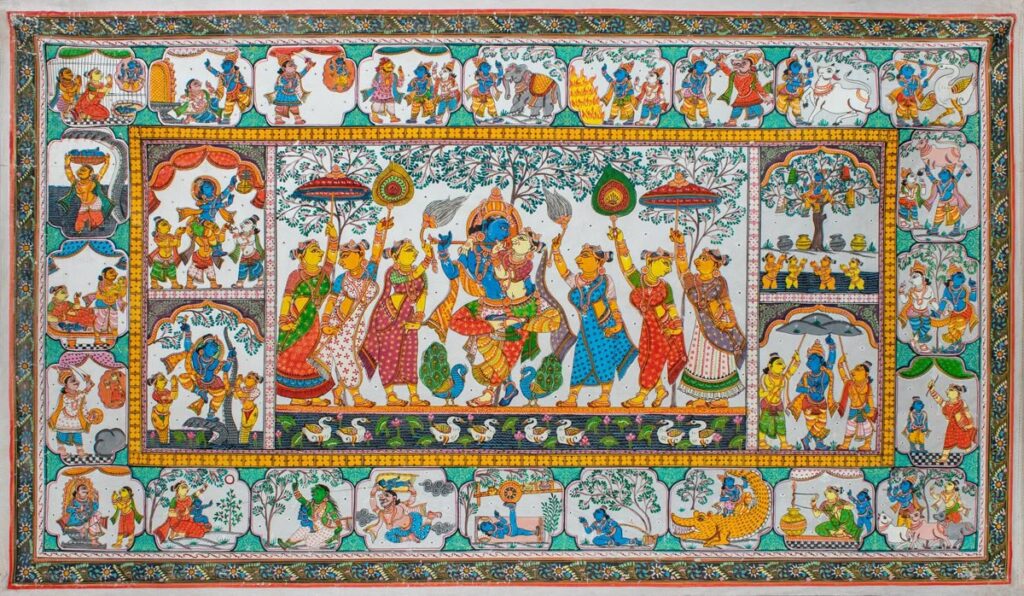
Madhubani art style comes from the Mithila region of Bihar, India, and has been an important part of cultural traditions for many generations. These paintings were often created on mud walls during special occasions like weddings, festivals, and celebrations to bring good luck and blessings. Women used natural colors and simple tools to draw beautiful designs such as fish, lotus flowers, birds, and sacred symbols. During marriage ceremonies, this art was used in the Kohbar room to bless newlyweds with happiness and prosperity, which is why it is also known as traditional Mithila wedding art.
When did Madhubani art originate?
While its exact origin is unknown, legend holds that King Janak, the ruler of the Mithila region in the 8th or 7th century BCE, requested this new form of painting to capture his daughter Sita’s wedding to Prince Rama, the central figure of the epic Ramayana.
We do know that, centuries ago, women first made Madhubani paintings on the freshly plastered walls and floors of mud huts. This technique was then passed down for generations, and today Madhubani paintings are also made on cloth, handmade paper and canvas.
What are the 3 themes in Madhubani painting?
There are three main themes in Madhubani traditional painting: religion, social scenes and elements of nature. art
- Religion
- Hindu mythological figures and scenes from sacred texts are very common subjects, featuring popular deities like Radha and Krishna, Shiva, Ganesha, Saraswati and Laxmi.
Doli (Bride in a palanquin), Natural dyes on handmade paper, 11 x 30 inches, available on commission basis.
- Social
- From harvests and markets to the royal court and children playing, Madhubani paintings beautifully render scenes from daily rural Indian life. Wedding ceremonies are especially sought-after, with messages of love and fertility.
- Nature
- The beauty and abundance of nature is an essential value of Madhubani paintings. Some of the most beloved images are the sun, the moon, birds and animals, the sacred Tulsi plant and Banyan trees.
What materials are used for Madhubani art?
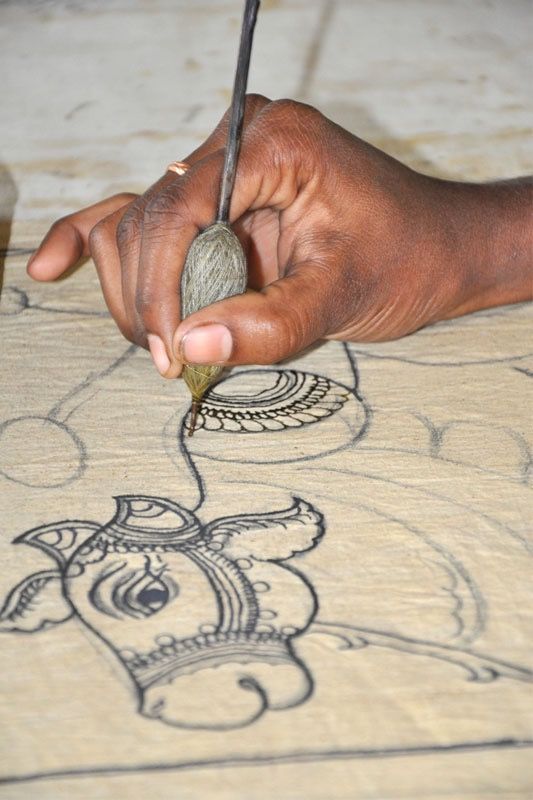
Madhubani artists prepare their own paints and tools from natural, locally available materials. Before applying any paints, the paper is treated with cow dung to preserve the strong color of the natural pigments. Cow dung is also mixed with charcoal and water for drawing the black outline.
Which pen is used for Madhubani?
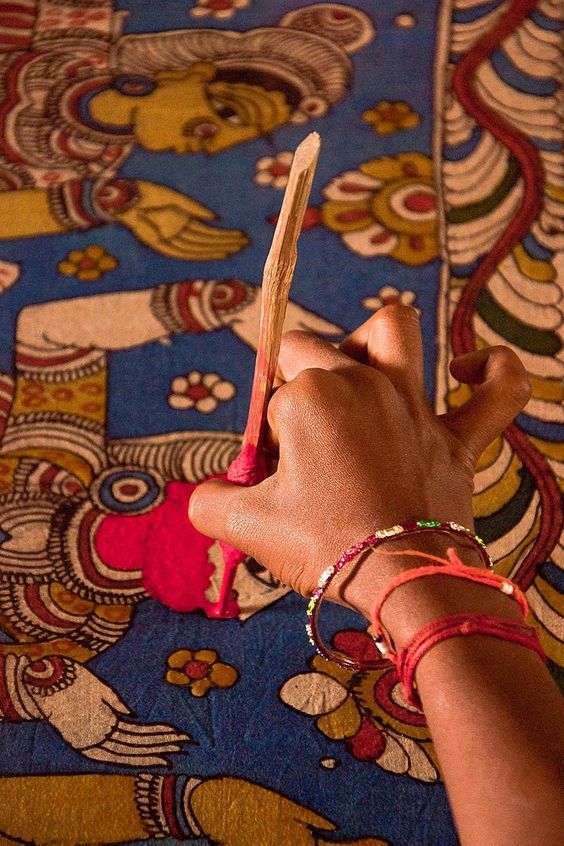
Artists use a bamboo stick for the intricate black outline of the local painting, which cannot be erased or changed once it is begun.
What colors are used in Mithila?
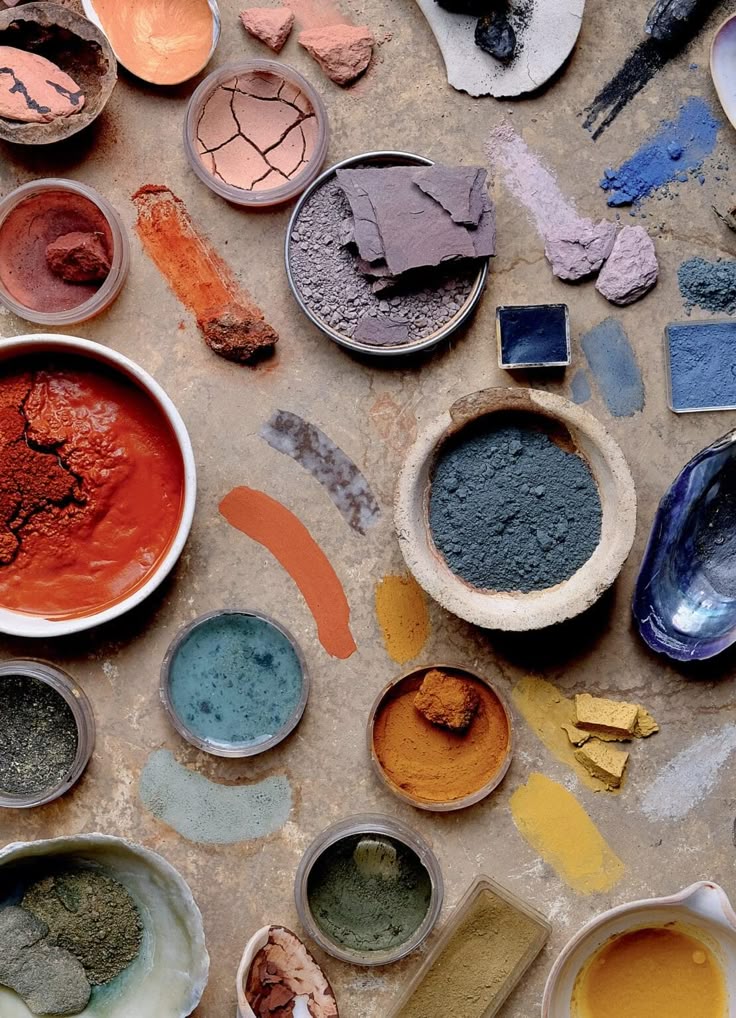
artists create their natural pigments from flowers and rocks. Some common ingredients lick aparajita flower for blue, bougainvillea for pink, flat bean leaves for green, turmeric for yellow and rice powder for white local artist use natural colouring from plants to make every painting beautiful
Where is Madhubani practiced today?
Mediums: While traditionally painted on mud walls and floors, modern Mithila painting is now widely practiced on handmade paper, canvas, fabric (sarees, dupattas, kurtis), and home décor items (lamps, coasters).
- Techniques: Although some artists still use natural dyes and pigments, many have shifted to acrylic paints and markers to enhance durability and reach wider commercial markets.
- Themes: Modern artists are moving beyond traditional mythological, natural (sun, moon), and religious themes (Shiva-Parvati, Radha-Krishna) to include contemporary issues like women’s empowerment, environmental conservation, and, in some cases, political scenes (like campaign helicopters).
- Global Presence: Mithila painting has become a popular item for corporate gifting and home decor worldwide. It has even been used for public art, with artists decorating railway stations and public walls in Bihar.
- Madhubani art