
f
Traditional Art: A Window into Our Past
- it Forms is a important part of our cultural heritage. It helps us understand the life, beliefs, and traditions of people from past generations. These art forms have been passed down over many years and still hold great value today.
- In many cultures, traditional art tells stories about festivals, nature, and daily life. It reflects the way people lived and what they believed in. For example, Indian traditional art styles such as Madhubani from Bihar and Warli from Maharashtra show scenes from village life, celebrations, and mythology.
- Because of this, traditional art is not only beautiful but also meaningful. It connects us to our roots and helps us learn about the culture and history of different communities.
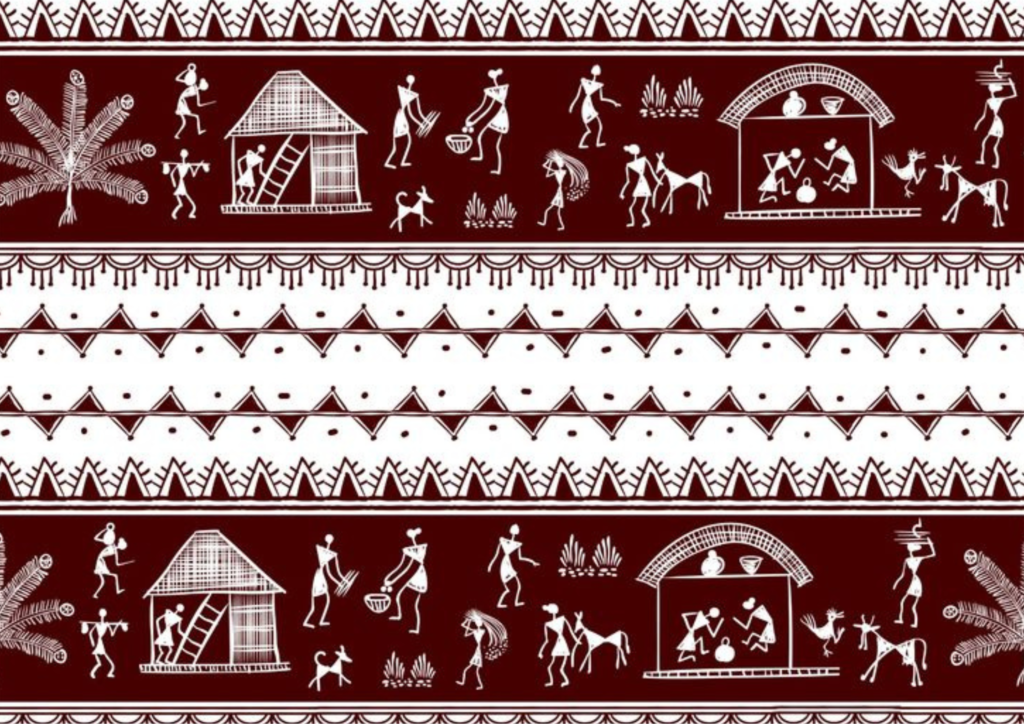
What Makes Traditional Art Forms is Special
Our Folk Traditions is different from modern or digital art in many ways. It is simple, natural, and deeply connected to the culture of a community. Artists usually create these artworks using handmade methods and natural materials.
Some key features of traditional art include:
• Handmade craftsmanship using simple tools
• Use of natural materials such as cloth, paper, or clay
• Colors made from natural sources
• Designs inspired by culture, festivals, and nature
Because everything is created by hand, every piece of it is unique.
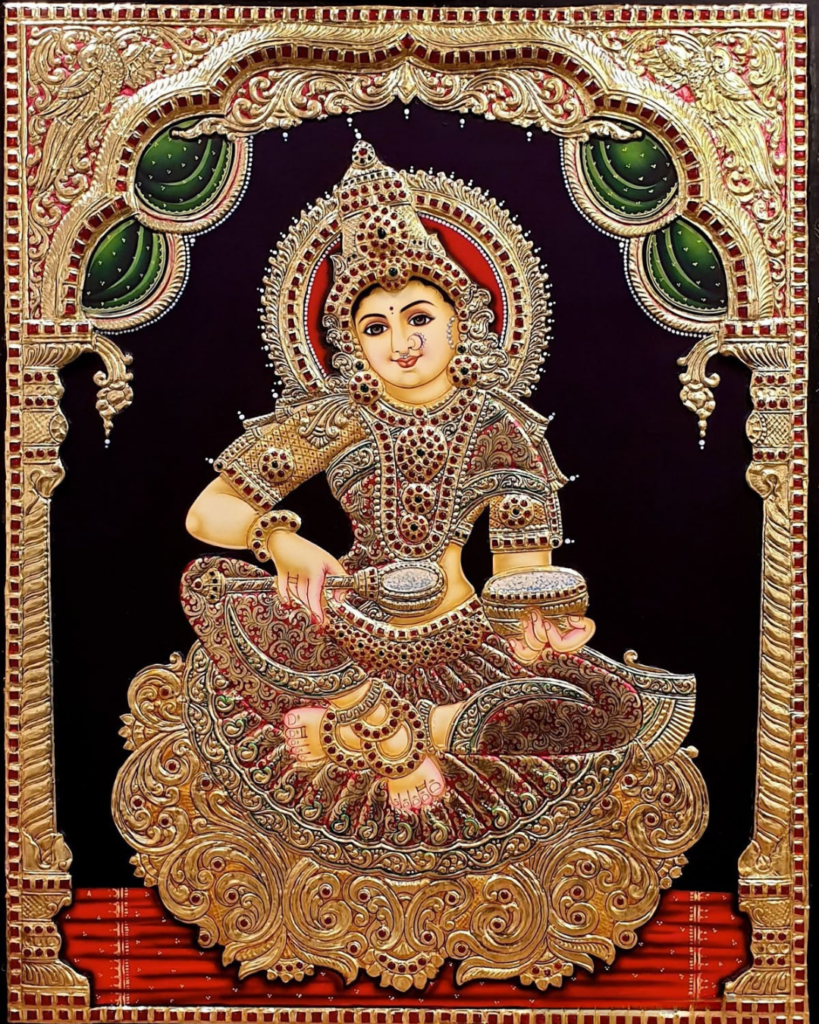
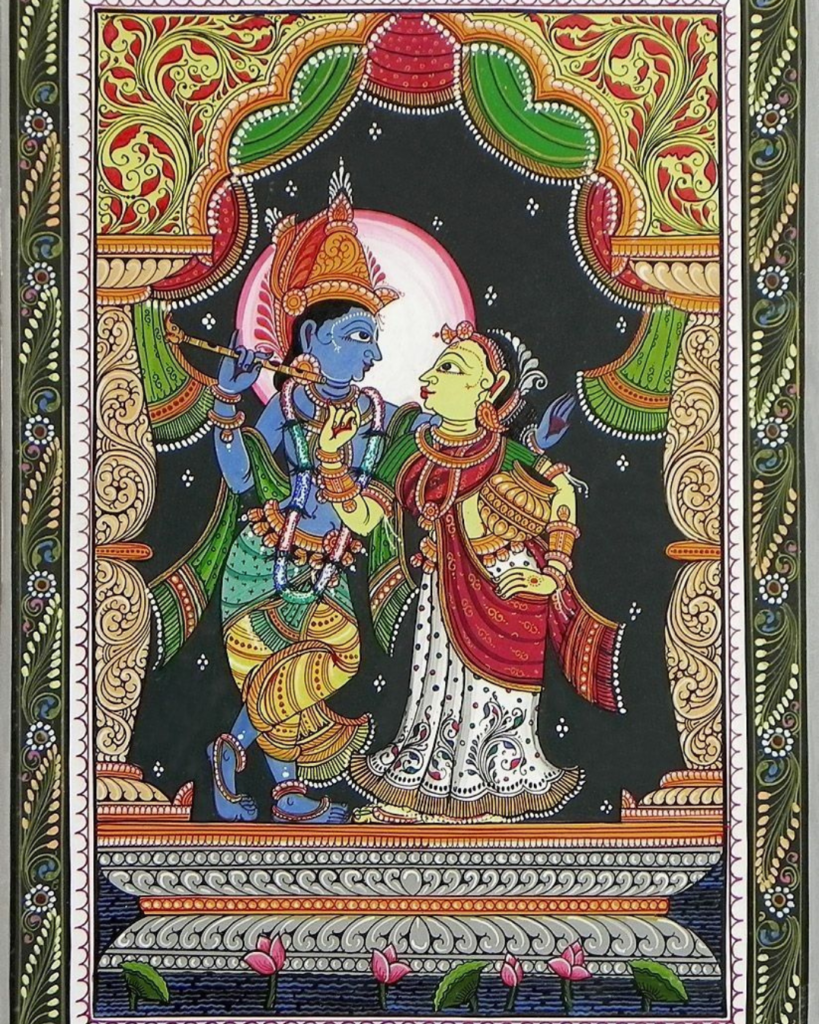
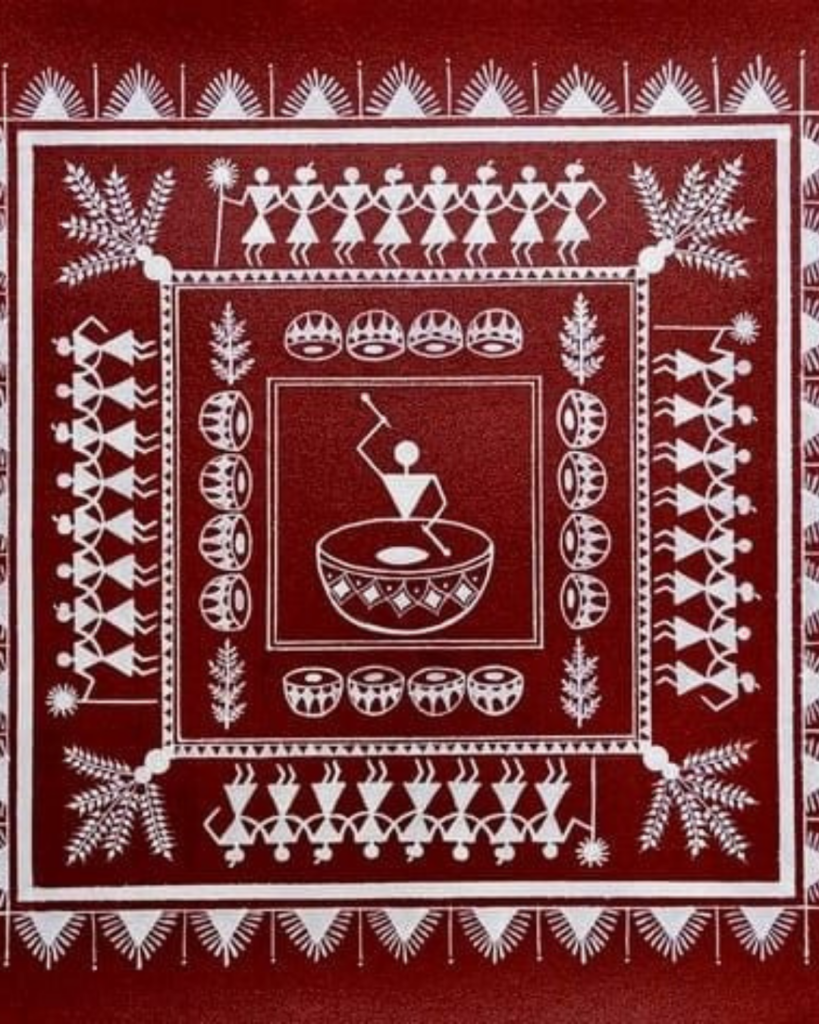
Natural Colors Used in traditional paintings
One interesting feature of Our Folk Traditions is the use of eco-friendly colors. Artists often make their own colors from natural materials that are easily available.
Below is a simple table showing some common natural colors and their sources.
| Color | Natural Source |
| Yellow | Turmeric |
| White | Rice paste |
| Blue | Indigo plant |
| Black | Lamp smoke |
These natural pigments are safe for the environment and give traditional artworks their earthy and authentic look.
Themes Found inThis Heritage Style
it reflects the daily life and culture of the people who create it. Many artworks show scenes that were important in the lives of earlier communities.
Common themes include:
• Nature such as birds, animals, trees, rivers, and mountains
• Daily life activities like farming, cooking, and caring for animals
• Festivals and celebrations including weddings and religious events
• Stories from mythology such as the Ramayana and Mahabharata
For example, Madhubani paintings often show gods, goddesses, and scenes from ancient Indian stories.
Why Heritage art Is Important
it is more than just decoration. It plays an important role in preserving culture and history.
Some reasons why traditional art is important are:
• It preserves the customs and traditions of earlier generations
• It helps people understand their cultural identity
• It keeps traditional skills and techniques alive
• It inspires modern artists and designers
When people learn and practice traditional art, they help keep these valuable traditions alive.
Preserving Folk Art Today
In today’s digital world,Classic Art Forms sometimes faces challenges. However, many people and organizations are working to protect and promote these art forms.
Some waysClassic Art Forms is being preserved include:
• Museums and cultural centers displaying artworks
• Art workshops where artists teach traditional techniques
• Festivals and exhibitions that showcase local art styles
• Online platforms that promote traditional artists and their work
These efforts help new generations learn about traditional art and appreciate its value.
Conclusion
Classic Art Forms is a beautiful reflection of culture, history, and creativity. It shows us how people lived, what they believed in, and how they celebrated life in earlier times.
By learning and supporting artists who practice it, we can help preserve these cultural treasures. In a rapidly changing world, traditional art reminds us of our roots and keeps our heritage alive for future generations.
This Heritage StyleThis Heritage Style
Our Folk Traditions
Classic Art Forms
Ancient Creative Methods
Ethnic Masterpieces
Traditional Art Forms